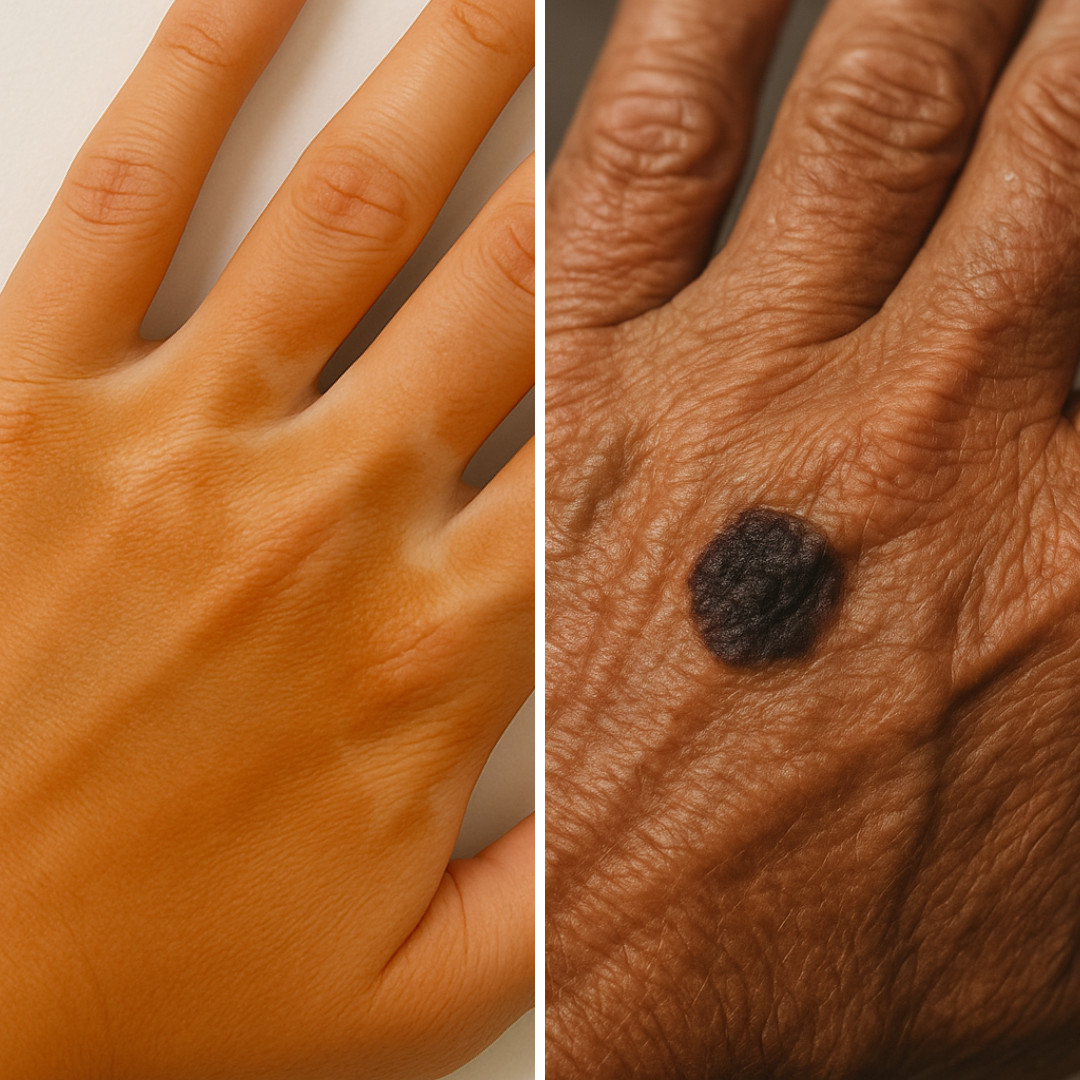
In Australia, the desire for a bronzed summer glow often clashes with reality: we have some of the strongest UV radiation on the planet. Yet every summer, someone will confidently announce, “It’s UV 10, perfect tanning weather!” as though the number is a beach invitation instead of a warning.
But UV 10 is extremely high. Natural tanning isn’t just about getting colour, it is your skin responding to damage. Real tanning can lead to sunburn, premature ageing such as fine lines, wrinkles and pigmentation, long-term skin damage, and a significantly increased risk of melanoma.
For those who love a sun-kissed look without the UV exposure, fake tanning has become a safer alternative. Today’s self-tanners only affect the top layer of skin, which means you can get colour without damaging deeper skin cells. Modern formulas are designed to look more natural than ever, whether you prefer gradual lotions, foams, drops, or professional spray tans.
Of course, most people know the reality of fake tan: sometimes it can look a little orange, patchy or streaky, especially if applied without prep or rushed. With exfoliation, moisturising dry areas like elbows, knees and ankles, and choosing the right undertone, the results can look impressively natural and far safer than UV tanning.
It is important to remember that fake tan does not protect your skin. A bronzed appearance does not change your UV risk, so sunscreen is still essential every day of the year in Australia.
How to Stay Safe While Keeping Your Glow:
- Apply broad-spectrum SPF 30 or 50 daily
- Reapply sunscreen every two hours when outdoors
- Wear hats, sunglasses and protective clothing
- Use fake tan for colour and sunscreen for protection
A golden glow does not need to come with long-term skin damage. If you want colour, fake tanning offers a safer option, and consistent sun protection keeps your skin healthy, youthful and protected.